China Becomes Top Global New Energy Vehicle Exporter
China is now the world's largest vehicle exporter, driven by a massive surge in new energy vehicle (NEV) exports and new overseas smart factories.
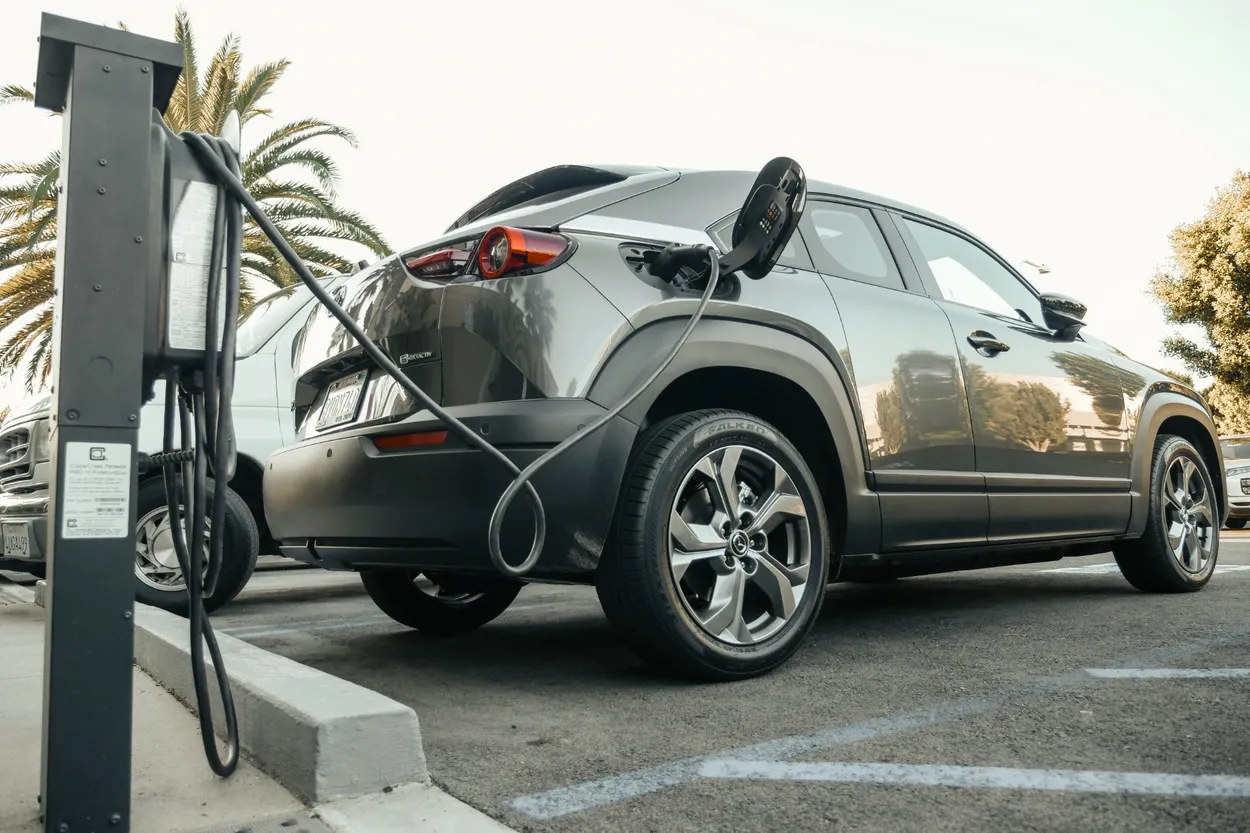

In late 2024, official industry data confirmed that the country has solidified its position as the world’s largest automotive exporter, largely driven by the explosive growth of China new energy vehicle exports. Chinese automotive brands are rapidly upgrading from strictly domestic manufacturing to building localized, high-tech smart factories across Asia and Europe. Previously, Chinese automakers relied solely on exporting finished domestic cars, but the new global strategy involves deep international supply chain integration and direct overseas manufacturing.
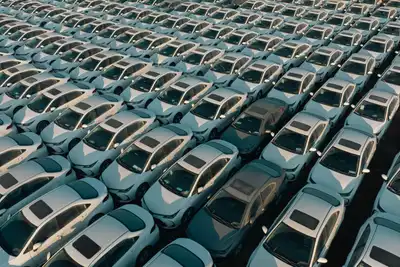
The New Automotive Export Strategy Explained
In 2023, China exported a record 4.91 million vehicles to over 180 countries, officially surpassing Japan as the top global exporter. Out of these, 1.2 million were pure electric vehicles, marking a massive 77.6 percent increase compared to previous years.
To understand how China rapidly shifted its economic focus, here is a breakdown of the new trade landscape:
| Regulatory / Market Feature | Previous Rule / Historical Setup | New Rule / Current Update |
|---|---|---|
| Primary Export Goods | Traditional pillars like apparel, appliances, and furniture. | The “New Three” (新三样 - Xīn sān yàng): Electric vehicles, lithium batteries, and solar products. |
| Global Export Ranking | Lagging behind established automotive nations. | Ranked First Globally, officially surpassing Japan in total exports. |
| Manufacturing Base | Strictly domestic production inside China. | Aggressive expansion into overseas smart factories (智能工厂 - Zhìnéng gōngchǎng). |

Building Overseas Supply Chains and Factories
To reduce tariffs, bypass supply chain gaps, and improve global brand influence, leading Chinese manufacturers are investing heavily in local facilities outside of China.
- BYD (比亚迪 - Bǐyàdí) Expansion: In July 2024, BYD opened a massive smart factory in Rayong province, Thailand. It took only 16 months to construct and has an annual capacity of 150,000 units.
- GAC Aion Integration: Just ten days after BYD, GAC Aion opened its own smart factory in Thailand. This facility supports multi-model production on a single line.
- Global Reach: Companies like SAIC, Great Wall, Geely, Chery, Dongfeng, and Neta have aggressively invested in factories in Indonesia, Malaysia, Vietnam, Singapore, and European countries like Norway, Germany, Spain, and Hungary.
INFO
Establishing direct overseas factories helps Chinese automakers eliminate high cross-border transport costs and allows them to design and deliver vehicles that directly meet local consumer needs in both developing and developed markets.

Green Technology and ESG Compliance Rules
Chinese New Energy Vehicles (新能源汽车 - Xīn néngyuán qìchē) are also strictly adopting Environmental, Social, and Governance (ESG) standards to compete and comply with international market regulations.
- Carbon Emission Committees: Companies like BYD established dedicated internal committees in 2021 to strictly oversee carbon footprint strategies and pollution prevention.
- Lifecycle Carbon Reductions: Manufacturers such as XPeng Motors successfully reduced carbon emissions by over 1.5 million tons across their vehicle lifecycles in 2023.
- Energy Efficiency Data: Li Auto has actively disclosed its carbon footprint, noting that its single-vehicle energy consumption reached a highly efficient 0.096 tons of standard coal per vehicle.
Frequently Asked Questions
What are the “New Three” exports from China?
The “New Three” exports refer to electric vehicles, lithium-ion batteries, and photovoltaic (solar) products. These tech-intensive exports increased by 30 percent last year, actively replacing traditional exports like clothing and furniture as the pillars of Chinese manufacturing.
Where are Chinese EV companies building overseas factories?
Leading Chinese automakers are building overseas factories in Southeast Asian nations like Thailand, Malaysia, and Indonesia, as well as entering European markets such as Germany, Spain, and Hungary to optimize global supply chains.
Need Help Navigating China’s Business and Tech Landscape? Contact Our Experts
Related News

EaziPath Editorial Staff
•Dec 15, 2022

EaziPath Editorial Staff
•Feb 1, 2023
EaziPath Editorial Staff
•Nov 15, 2024