China Deploys Advanced AI In Healthcare Sector
The medical infrastructure across the country is undergoing a massive technological revolution, empowering China's healthcare sector with advanced Artificial Intelligence platforms.
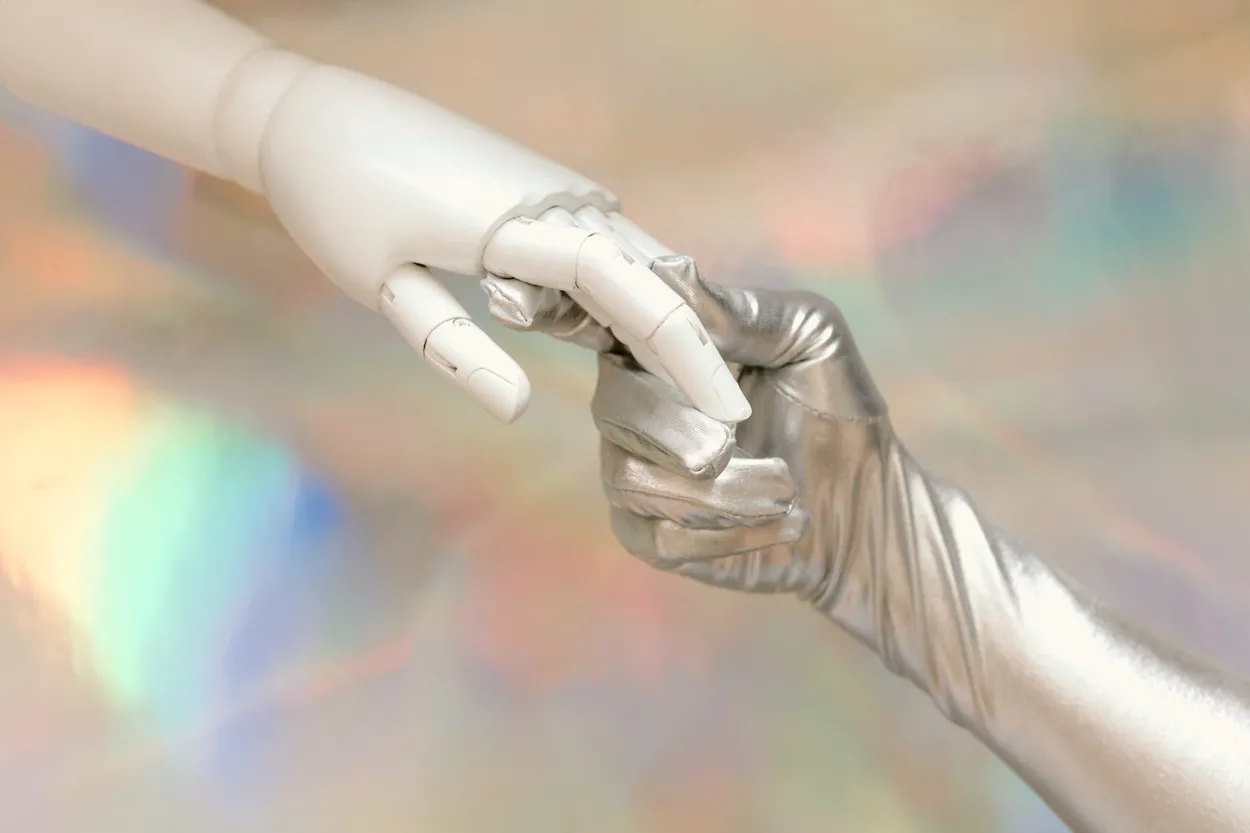

As of early 2024, China’s State Council (国务院 - Guówùyuàn) and leading medical bodies have officially triggered a national transformation by deploying advanced Artificial Intelligence (人工智能 - réngōng zhìnéng) across the healthcare sector. Driven by the government’s sweeping “AI+” initiative, this massive technological revolution fundamentally upgrades how hospitals treat patients. Previously, medical diagnostics and patient processing relied heavily on traditional manual clinical practices, but the new rollout officially empowers China’s healthcare sector with advanced Artificial Intelligence platforms to streamline innovation, rural diagnostic accuracy, and smart medical development.
The Core Breaking Angle: Traditional Practices vs. AI-Driven Systems
As part of building globally competitive digital industry clusters, authorities are rapidly merging traditional medicine with big data. Leading internet companies such as Alibaba, Baidu, and Tencent have been actively developing healthcare AI departments since 2016, and those tools are now entering full-scale clinical deployment.
| Regulatory Feature | Previous Rule / Historical Setup | New Rule / Current Update |
|---|---|---|
| National Policy | Fragmented digital health pilot projects | State Council’s 2023 “Opinions on Further Improving the Healthcare Service System” mandates “Internet + Healthcare” |
| Diagnostic Method | Relied heavily on traditional manual clinical practices | Deployment of AI-assisted diagnostic systems to analyze large volumes of data for personalized treatment |
| Rural Medical Access | Underserved with high grassroots misdiagnosis rates | Full rural coverage of AI systems (e.g., Ningxia) and mobile cloud-based diagnostic vehicles |
| Surgical Equipment | Standard manual surgical tools | Integration of advanced robotics like the Da Vinci Surgical System |
INFO
The “AI+” Initiative: Announced in the government work report by Premier Li Qiang, the “AI+” initiative is designed to accelerate new productive forces and deepen the development of big data and AI across key emerging industries, particularly healthcare.

Transforming Grassroots and Rural Medical Infrastructure
The most immediate impact of this technological deployment is being felt outside the major tier-one cities. The government is utilizing AI to bridge the massive resource gap in rural regions and address issues such as a shortage of skilled personnel.
In northwestern China’s Ningxia region, an AI-assisted diagnostic system (人工智能辅助诊断系统 - réngōng zhìnéng fǔzhǔ zhěnduàn xìtǒng) has been aggressively implemented across primary healthcare institutions (基层医疗卫生机构 - jīcéng yīliáo wèishēng jīgōu), successfully achieving full coverage in rural areas.
To dramatically reduce misdiagnosis rates at the grassroots level, this system provides:
- Diagnostic Assistance: Helping primary care doctors quickly and accurately diagnose diseases based on vast clinical databases.
- Standardized Electronic Medical Records: Unifying electronic medical records (电子病历 - diànzǐ bìnglì) across all local outpatient clinics.
- Mobile Cloud-Based Vehicles: Local governments are actively purchasing services such as mobile cloud-based diagnostic vehicles to deliver on-site health checkups and management to isolated rural residents.
Strict Safety Protocols and Ethical AI Regulations
Faced with the rapid integration of artificial intelligence, regulatory bodies are adopting a cautious and inclusive regulatory approach. Striking a balance between fostering innovation and safeguarding public interests is paramount, especially after the World Health Organization publicly urged caution regarding the unchecked deployment of large language models in medicine.
DANGER
National Health Commission Guidelines: To ensure patient safety, data security, and ethical usage, China’s National Health Commission (国家卫生健康委员会 - Guójiā Wèishēng Jiànkāng Wěiyuánhuì) issued comprehensive regulatory guidelines in 2020. These frameworks establish clear standards and safety protocols that all medical AI applications must pass before entering the public healthcare system.
CAUTION
Higher Quality Standards: Under the new regulations, bodies will aggressively strengthen the supervision and management of primary healthcare. Hospitals deploying high-end tools, such as the Intuitive Surgical-manufactured Da Vinci Surgical System (exhibited at the 6th World Health Expo in Wuhan in 2024), are subject to intense quality and safety oversight to ensure sustainable development.

Summary & Compliance Checklist
For healthcare professionals, tech developers, and expats utilizing the Chinese medical system in 2024, it is vital to understand the new AI-driven landscape. Verify your awareness against this checklist:
- I am aware that AI-assisted diagnostic systems are now actively used in both urban and rural primary care clinics.
- I understand that the “Internet + Healthcare” model utilizes my electronic medical records to formulate personalized, data-driven treatment plans.
- As an industry operator, I am fully compliant with the 2020 NHC comprehensive guidelines regarding medical data security and ethical AI usage.
- I am familiar with the integration of advanced medical robotics and mobile cloud-based diagnostic vehicles in local communities.
Related News

EaziPath Editorial Staff
•Feb 15, 2025

EaziPath Editorial Staff
•Jul 15, 2024

EaziPath Editorial Staff
•Nov 20, 2024