Visiting SanJiangYuan and China’s Mega National Parks
A complete travel guide to visiting Sanjiangyuan and China's mega national parks. Learn about wildlife safaris, ecological rules, and the new national park system.
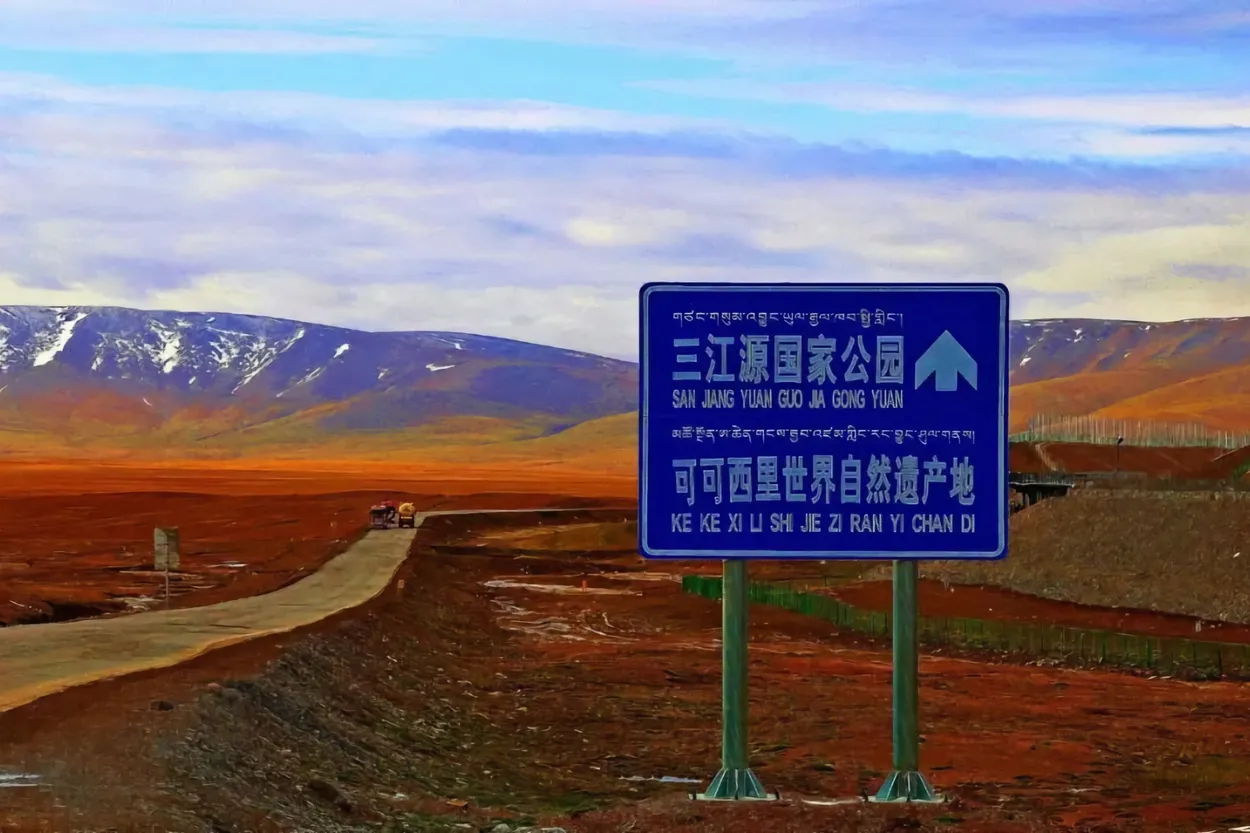

TL;DR: Managed under guidelines from the National Forestry and Grassland Administration (NFGA), China’s mega national park system includes protected sites like Sanjiangyuan (三江源). Travelers can visit high-altitude nature zones, book eco-safaris, and arrange transport through Trip.com while using Alipay or WeChat for local payments.
If you are planning an eco-tourism adventure, visiting SanJiangYuan and China’s mega national parks offers access to some of the world’s most unique wildlife and landscapes. As part of a massive ecological initiative, China is transforming its vast wilderness into a streamlined national park system, offering tourists opportunities to spot endangered species like snow leopards, Siberian cranes, and Hainan gibbons while supporting local indigenous communities.
This guide explains the rules for visiting these protected zones, the ecological significance of the parks, and the best highlights for nature lovers.
1. The Ecological Architecture of China’s Mega Parks
China is home to diverse ecosystems, hosting approximately 12 percent of global plant species and 15 percent of all vertebrates. To protect these natural environments, China’s national strategy aims to establish 60 major national parks by 2035.
This conservation effort covers vast geographic areas while balancing nature preservation with local community livelihoods as part of China’s “ecological civilization” goals.
Previously managed under various nature reserve categories, protected areas are being reorganized into three streamlined classifications: national parks (国家公园 - Guójiā Gōngyuán), nature reserves (自然保护区 - Zìrán Bǎohùqū), and natural parks (自然公园 - Zìrán Gōngyuán).
| Park / Protected Area | Location | Key Wildlife & Ecological Highlights |
|---|---|---|
| Sanjiangyuan (三江源) | Qinghai Province | High-altitude plateau ecosystem protecting the headwaters of the Yangtze, Yellow, and Lancang rivers. Critical sanctuary for snow leopards. |
| Momoge (莫莫格) | Jilin Province | Wetland reserve acting as an essential migratory stopover for critically endangered Siberian cranes. |
| Northeast Tiger & Leopard National Park (东北虎豹国家公园) | Jilin and Heilongjiang | Forest sanctuary dedicated to protecting and restoring wild populations of Amur tigers and Amur leopards. |

2. Guide to Visiting Sanjiangyuan National Park
The crown jewel of this system is Sanjiangyuan National Park (三江源国家公园 - Sānjiāngyuán Guójiā Gōngyuán), located in northwestern Qinghai Province (青海省 - Qīnghǎi Shěng). Sitting on the Qinghai-Tibet Plateau, it protects the headwaters of three major Asian rivers: the Yangtze, Yellow, and Lancang (Mekong) rivers.
- Valley of the Cats Safaris: Visitors to the Valley of the Cats area can join local-led wildlife safaris to spot snow leopards, blue sheep, and Himalayan marmots.
- Community-Led Eco-Tourism: Safaris and homestays are operated in partnership with local herders and ecological groups, ensuring 100 percent of tourism revenues directly support local families.
- Local Ranger Patrols: Through community ranger programs, local herders are employed to watch over wildlife, monitor grasslands, and protect the park environment.
TIP
Rustic Accommodations: Tourism in remote areas like the Valley of the Cats features authentic, rustic homestays and basic amenities. Adventurous travelers should come prepared for high-altitude conditions and simple living standards.

3. Key National Parks and Nature Reserves
Beyond Qinghai, China’s national park network spans diverse climates and habitats across the country:
- Momoge National Nature Reserve (莫莫格国家级自然保护区): Located in Jilin province, this wetland sanctuary protects migrating Siberian cranes and diverse waterfowl species.
- Hainan Rainforest National Park (海南热带雨林国家公园): Located on Hainan Island, this tropical park protects ancient rainforests and the endemic, critically endangered Hainan gibbon.
- Northeast Tiger and Leopard National Park (东北虎豹国家公园): Spanning Jilin and Heilongjiang provinces, this vast forest reserve provides protected habitat corridors for wild big cats.
- Potatso National Park (普达措国家公园): Situated in Shangri-La, Yunnan province, this park features alpine lakes, vibrant wetlands, and pristine forest trails.
- Changbaishan Nature Reserve (长白山自然保护区): Located on the border of Jilin province, famous for its volcanic Heavenly Lake (Tianchi), dense pine forests, and rich biodiversity.

4. Practical Travel Checklist for Park Visitors
Follow these steps when preparing for a trip to China’s national parks:
- Book Authorized Homestays & Tours: When visiting high-altitude reserves like Sanjiangyuan, book approved community-led tours in advance to ensure safe transport and local support.
- Prepare for High Altitudes: Many parks in Qinghai, Tibet, and Yunnan sit above 3,000 meters (9,800 feet). Allow a few days in gateway cities like Xining or Kunming to acclimatize.
- Follow Ecological Rules: National parks enforce strict waste disposal, anti-littering, and wildlife protection rules. Always stick to marked trails and follow guidelines set by park rangers.
- Set Up Mobile Payments & Carry Cash: Ensure your Alipay or WeChat account is linked with your passport. Carry some cash (RMB) as backup when traveling through very remote mountain villages.
5. Frequently Asked Questions (FAQs)
What is Sanjiangyuan National Park famous for?
Sanjiangyuan National Park is China’s largest national park. Located on the Qinghai-Tibet Plateau, it protects the sources of the Yangtze, Yellow, and Lancang rivers, and is renowned for its snow leopard conservation efforts.
How many national parks will China establish?
China plans to create a comprehensive network of 60 major national parks by 2035 to safeguard critical ecosystems, forests, wetlands, and endangered wildlife.
Where can I see Siberian cranes in China?
You can observe migrating Siberian cranes at the Momoge National Nature Reserve in Jilin province, as well as Poyang Lake in Jiangxi province during winter months.
Need Help Planning Your Travel in China? Contact Our Experts
Related Posts
EaziPath Editorial Staff
•Jan 25, 2025

EaziPath Editorial Staff
•Mar 5, 2024

EaziPath Editorial Staff
•Jan 14, 2025