Visiting Lingshan Island: China's First Carbon-Negative Tourist Destination in Qingdao
A complete eco-tourism guide to visiting Lingshan Island in Qingdao. Learn about the carbon credit bank, educational tours, and sustainable travel in China.
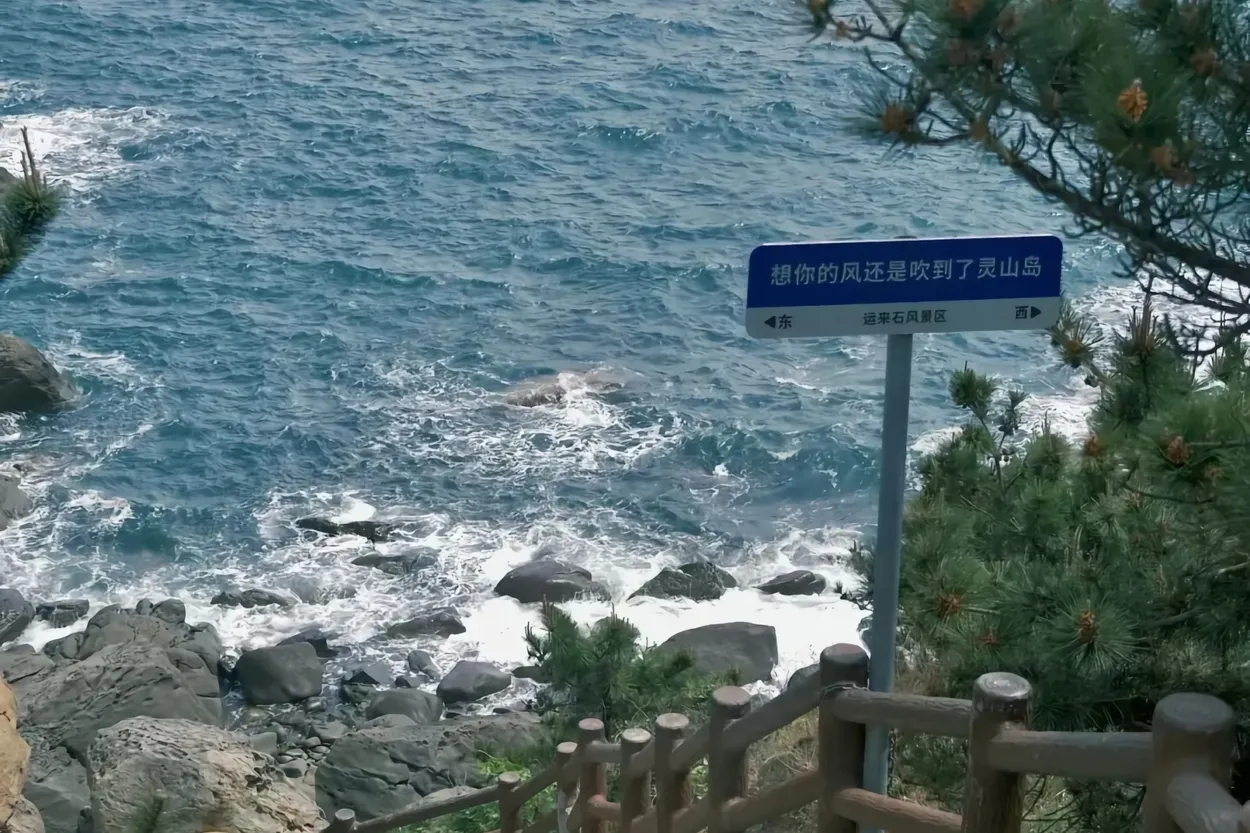

TL;DR: Recognized by the China Quality Certification Center (CQC), Lingshan Island in Qingdao is China’s first official carbon-negative destination. Tourists can visit via ferry from Qingdao West Coast New Area, participate in the local “carbon credit bank,” and book island stays using Trip.com while paying seamlessly with Alipay or WeChat.
If you are looking for an eco-friendly travel destination, visiting Lingshan Island in the eastern Chinese city of Qingdao (青岛 - Qīngdǎo) offers a truly unique experience. It is officially recognized as China’s first carbon-negative island (负碳海岛 - Fùtàn Hǎidǎo). By upgrading local industries and transforming resident lifestyles, the island successfully reduced its emissions to negative 1,333 tonnes in 2020, providing an incredible model for sustainable domestic tourism.
This guide explains the island’s unique environmental achievements, its interactive “carbon credit bank” for tourists, and how you can participate in local eco-friendly activities.

1. National Climate Goals and Lingshan Island
China has set national goals to reach a carbon peak by 2030 and achieve carbon neutrality by 2060. To help meet these targets, coastal regions are actively creating their own environmental solutions.
Lingshan Island serves as a major success story for these national targets. By physically upgrading local industries and changing the daily habits of its residents, the island created natural “carbon sinks” (environments that absorb more carbon dioxide than they release).
According to the official China Quality Certification Center (CQC), the island hit a milestone in 2020 by recording net emissions at negative 1,333 tonnes, officially earning its carbon-negative status.
INFO
What is a Carbon-Negative Island? A carbon-negative area removes more carbon dioxide from the atmosphere than it produces. Lingshan Island achieved this by combining green energy, eco-friendly transport, and waste reduction across the entire island.

2. Participating in the Carbon Credit Bank
The highlight of the island’s eco-tourism approach is its interactive visitor engagement. Rather than simply observing the environment, tourists are encouraged to actively lower their carbon footprint during their stay.
Since 2022, the local administration has operated an innovative “carbon credit bank.” This system tracks sustainable choices and rewards participants through a dedicated Carbon Credit Redemption (碳积分兑换 - Tàn Jīfēn Duìhuàn) scheme.
| Eco-Tourism Feature | Program Details & Visitor Benefits |
|---|---|
| Program Launch | Established in 2022 to encourage sustainable travel habits. |
| Target Participants | Open to both local residents and visiting eco-tourists. |
| Core Mechanism | The Carbon Credit Redemption (碳积分兑换) system. |
| Earn Credits By | Using electric transit, reducing plastic waste, and joining conservation tours. |
| Reward Categories | Redeem points for local guesthouse discounts, eco-friendly souvenirs, and meals. |
By engaging with these programs, tourists become active participants in local conservation efforts.

3. Educational Tours and Sustainable Lifestyles
To ensure that the carbon-negative status is maintained long-term, the island has invested in public education and green lifestyle guidelines.
Travelers booking trips to the island will find a range of curated eco-friendly activities designed to teach sustainable living:
- Guided Educational Tours: Specialized itineraries take visitors through upgraded green facilities and carbon sink zones, showing how the local ecosystem absorbs carbon dioxide.
- Lifestyle Transformation: Tourist spots, guesthouses, and local residential hubs operate under strict waste sorting and energy-efficiency guidelines.
TIP
Maximizing Your Green Impact: When visiting, sign up for an official educational tour early in your trip. This helps you understand local conservation guidelines and lets you start collecting points in the carbon credit bank right away.
4. Practical Travel Checklist for Visitors
Follow these practical steps to plan your trip to Lingshan Island:
- How to Get There: Take a ferry from Jiangkou Port (积米崖港 - Jīmǐyá Gǎng) in Qingdao West Coast New Area (黄岛区 - Huángdǎoqū). Ferry rides take approximately 30 to 45 minutes depending on sea conditions.
- Book Accommodation Early: Island guesthouses can fill up quickly during peak summer months. Reserve your stay in advance using travel booking platforms like Trip.com.
- Set Up Payment Apps: Make sure your Alipay or WeChat app is set up on your phone so you can easily pay for ferry tickets, local meals, and eco-tours.
- Pack Sustainably: Bring reusable water bottles and tote bags to help keep plastic waste on the island to a minimum.
5. Frequently Asked Questions (FAQs)
What is Lingshan Island known for?
Lingshan Island in Qingdao is famous for being China’s first officially certified carbon-negative island. In 2020, its carbon emissions reached negative 1,333 tonnes due to clean energy upgrades and sustainable habits.
How does the Lingshan Island carbon credit bank work?
Launched in 2022, the carbon credit bank rewards tourists and locals for low-carbon actions. Visitors earn points by choosing green transit or reducing waste, which can be redeemed for discounts and rewards on the island.
Where do you catch the ferry to Lingshan Island?
Ferries to Lingshan Island depart from Jimiya Port (积米崖港) in the West Coast New Area of Qingdao.
Need Help Planning Your Travel in China? Contact Our Experts
Related Posts

EaziPath Editorial Staff
•Jan 11, 2025

EaziPath Editorial Staff
•Mar 5, 2024

EaziPath Editorial Staff
•Mar 12, 2024