The Top Trending Chinese Internet Buzzwords You Need to Know in 2024
A complete linguistic breakdown of the latest viral phrases, internet jargon, and slang currently dominating Chinese social media platforms and youth culture.


TL;DR: Based on social trends tracked by the Ministry of Culture and Tourism, staying updated on Chinese internet slang helps you understand local youth culture. Popular trends like Guochao (国潮), stove-boiled tea (围炉煮茶), and checking in (打卡 dǎkǎ) at famous places show a major movement toward traditional culture and modern lifestyle content across platforms like Xiaohongshu (小红书).
To truly understand modern Chinese youth culture, you must learn the top trending Chinese internet buzzwords of 2024. From viral social media phrases used for “checking in” at tourist spots to the specialized slang dominating the domestic gaming industry, mastering this linguistic breakdown of the latest viral phrases and internet jargon will help you navigate China’s highly dynamic digital landscape.
This guide explores the most popular terms currently dominating online discussions, lifestyle apps, and national news.

1. The “Guochao” (China Tide) Phenomenon
One of the most persistent and massive trends on the Chinese internet is the concept of Guochao (国潮), which directly translates to “China tide.”
In internet jargon, Guochao refers to the growing rise in Chinese culture consumption among youngsters. Young internet users are increasingly displaying a deep interest in returning to traditional Chinese roots. This buzzword is frequently used online when discussing the rising popularity of:
- Hanfu (汉服): A collective term for the traditional clothes of China’s majority Han people, now widely worn by young people in public for photoshoots.
- Chinese Calligraphy: The revival of ancient writing styles in modern digital media and marketing.
- Traditional TV Dramas: Period dramas set in the Song dynasty or other historical eras that drive massive online engagement.
INFO
The Guochao aesthetic also heavily drives the idyllic perception of traditional Chinese life popularized by famous vloggers. Videos showcasing tranquil village life, agricultural customs, and traditional cooking have earned some content creators millions of followers worldwide.
2. Lifestyle Slang: “Weilu Zhucha”
As a direct counter-movement to fast-paced urban living, young Chinese netizens have popularized a new viral lifestyle buzzword: Weilu zhucha (围炉煮茶).
Literally translating to “boiling tea and sitting around a stove,” weilu zhucha is an ancient practice of gathering to chat or play games over tea and snacks. Over the last few years, it has exploded into a massive online trend. By the end of December 2022, the social media platform Xiaohongshu (小红书) featured over 100,000 posts specifically dedicated to weilu zhucha.
Today, it remains a top trending search query as urban youths seek out minimalist, highly photogenic tea houses to escape the digital grind and experience traditional “slow living.”

3. Pop Culture & Gaming: The “Black Myth” Phenomenon
The Chinese internet frequently spawns massive buzzwords around breakthrough entertainment. Recently, the term Black Myth (黑神话 - Hēi Shénhuà) took over every major social media and streaming platform.
Referring to Black Myth: Wukong, China’s highly successful first AAA blockbuster game, the title has become a cultural phenomenon. Online discussions centered around “Black Myth” are driving unprecedented global and domestic interest in traditional Chinese mythology, ancient architecture, and domestic tourism, as players flock to visit the real-world historical sites featured in the game.

4. Social Media “Checking In” Culture
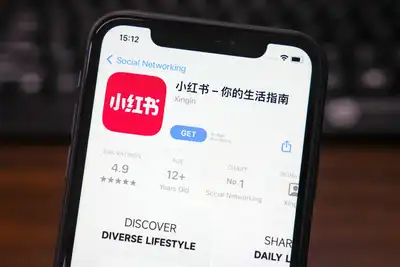
When navigating platforms like Xiaohongshu (often called China’s equivalent to Instagram), you will constantly encounter the concept of Checking In (打卡 - Dǎkǎ).
Originally a term used for punching a timecard at work, dǎkǎ has evolved into a vital piece of internet slang. It now means to visit a trending location, eat at a viral restaurant, or experience a highly recommended tourist spot, and then post photos to prove you were there. Creating the perfect “checking in” post requires a specific language and aesthetic to appeal to a local audience.
TIP
When “checking in” at a famous location on Xiaohongshu, foreign travelers are highly encouraged to use poetic Chinese phrases in their captions. Combining the Guochao aesthetic (like wearing a hanfu) with an eloquent caption will dramatically increase your online engagement.
5. National News & Official Keywords
While social media slang fills daily posts, standard government keywords appear regularly in news reports, official announcements, and workplace discussions. Knowing these common terms helps you understand local news and current policies.
Here are key phrases often seen in Chinese news:
| English Term | Chinese Name & Pinyin | Simple Meaning |
|---|---|---|
| Education & Talent | 教育人才 (Jiàoyù Réncái) | Developing schools, universities, and skilled workers. |
| Social Security | 社会保障 (Shèhuì Bǎozhàng) | Public healthcare, pension plans, and safety nets. |
| Rural Revitalization | 乡村振兴 (Xiāngcūn Zhènxīng) | Building up local economies and farms in rural areas. |
| Job Priority | 就业优先 (Jiùyè Yōuxiān) | Creating more jobs and supporting employment. |
| Healthcare | 医疗卫生 (Yīliáo Wèishēng) | Improving medical care, hospitals, and public health. |
| Domestic Consumption | 扩内需 (Kuò Nèixū) | Encouraging local shopping, travel, and spending. |
6. Frequently Asked Questions (FAQs)
What does Guochao mean in Chinese internet slang?
Guochao (国潮) means “China tide.” It describes the trend where young people buy local brands and celebrate traditional Chinese culture, like wearing hanfu or studying traditional arts.
Why is Weilu Zhucha trending on Xiaohongshu?
Weilu zhucha (围炉煮茶), or stove-boiled tea, is popular because it gives young people a cozy, relaxing way to spend time with friends while taking great photos for social media.
What does “checking in” (dǎkǎ) mean online?
“Checking in” (打卡 - dǎkǎ) means visiting a famous or trendy place, taking photos, and posting them online to show your friends you were there.
Need Help Navigating Life and Language in China? Contact Our Experts
Related Posts

EaziPath Editorial Staff
•Feb 28, 2024

EaziPath Editorial Staff
•Jan 11, 2025

EaziPath Editorial Staff
•Oct 12, 2024