Mastering Chinese Internet Jargon: Big Tech Slang for Foreigners
Learn essential Chinese internet slang, Big Tech lingo, and techno-babble to navigate China's digital landscape, e-commerce, and social media platforms.


TL;DR: Regulated under policies from the Ministry of Industry and Information Technology (MIIT) and the Cyberspace Administration of China (CAC), China’s digital economy drives rapid linguistic evolution. Expats navigating Big Tech, e-commerce, and “Smart Life” platforms must master key terminology—such as Pain Points (痛点 tòngdiǎn), Livestream Selling (直播卖货 zhíbō mài huò), and Smart Life (智能生活 zhìnéng shēnghuó)—to remain fluent in corporate and consumer environments.
Chinese internet jargon is forever fast-evolving, with viral phrases, “techno-babble,” and novel ideas emerging constantly from Big Tech firms and netizens. To successfully navigate China’s highly digital landscape, expats and digital nomads must understand essential tech slang—from addressing consumer “pain points” to mastering the vocabulary of livestream e-commerce and smart life platforms.
Keep up with these latest trends, and you will always be in the know in the digital world.

1. Essential Big Tech Lingo and “Techno-Babble”
The core of Chinese Big Tech lingo revolves around identifying consumer needs and rapidly deploying digital solutions. Internet firms frequently use specific jargon to describe strategic goals, technological integration, and the specific “pain points” of their user base.
| English Term | Chinese Term & Pinyin | Industry Definition & Context |
|---|---|---|
| Pain Points | 痛点 (Tòngdiǎn) | Unresolved consumer frustrations. Chinese startups constantly pitch apps designed specifically to solve user pain points. |
| Artificial Intelligence | 人工智能 (Réngōng Zhìnéng) | Algorithms integrated into everything from smart translation tools to hospital triage systems. |
| Big Data | 大数据 (Dà Shùjù) | Predictive analytics used by digital platforms to optimize traffic routes, logistics, and personalized feeds. |
| Cloud Computing | 云计算 (Yún Jìsuàn) | Digital cloud infrastructure supporting e-government services and high-concurrency online retail. |
2. E-Commerce and Livestreaming Slang
China’s online retailing market is worth trillions of yuan, heavily driven by social media integration, high-speed logistics, and live video sales.
| Concept / Slang | Chinese Term & Pinyin | Market Significance & Usage |
|---|---|---|
| Livestream Selling | 直播卖货 (Zhíbō Mài Huò) | Interactive video shopping that provides consumers with an engaging, immersive purchasing experience (直播卖货更受欢迎,因为能给消费者带来沉浸式的购物体验). |
| Express Delivery | 快递 (Kuàidì) | Rapid logistics network enabling same-day or 30-minute delivery across urban hubs via platforms like Meituan. |
| Going Cashless | 无现金 (Wú Xiànjīn) | The complete societal transition to mobile payments via QR code platforms like Alipay and WeChat Pay. |

3. The Vocabulary of “Smart Life” (智能生活)
As China builds connected “Smart Cities” (智慧城市), everyday vocabulary has evolved to include new devices and systems powered by the Internet of Things (IoT).
When shopping for electronics or setting up your apartment, you will encounter the prefix “Smart” (智能 - Zhìnéng) constantly:
- Smart Phones (智能手机 - Zhìnéng Shǒujī): The central digital hub required to scan QR codes, book high-speed trains, and verify your real-name identity.
- Smart Speakers (智能音箱 - Zhìnéng Yīnxiāng): Voice-activated home assistants (like Baidu Xiaodu or Tmall Genie) that control your living environment.
- Smart Home Devices (智能家居设备 - Zhìnéng Jiājū Shèbèi): Internet-connected appliances, such as robot vacuum cleaners, smart locks, and security cameras, that you control remotely via smartphone apps.
- Driverless Taxis (无人驾驶出租车 - Wúrén Jiàshǐ Chūzūchē): Refers to autonomous vehicles like Baidu’s Apollo Go, which are now available for public booking in major tech hubs like Shenzhen and Shanghai.
TIP
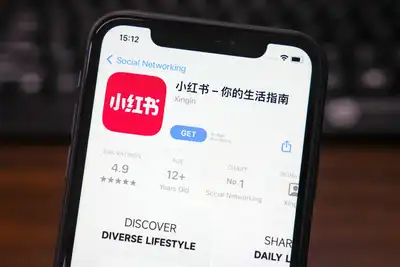
Spotting Cultural Trends: The internet isn’t just about business; it drives youth culture. Look out for viral lifestyle trends heavily discussed on review platforms like Dazhong Dianping (大众点评) or Xiaohongshu (小红书). A recent example is the viral craze of “Stove-boiled tea” (围炉煮茶 - Wéilú Zhǔchá), where young people gather to roast snacks and brew tea over open fires to escape the fast-paced digital grind.
4. Frequently Asked Questions (FAQs)
Why is livestream selling so popular in China?
Livestream selling is incredibly popular because it brings consumers a highly engaging and immersive shopping experience right on their smartphones. It allows buyers to see products in real-time, ask questions, and interact directly with the hosts before buying.
What does “pain point” mean in Chinese tech?
In Chinese internet jargon, a “pain point” (痛点 - tòngdiǎn) refers to a specific, unresolved frustration or everyday need that a consumer has, which a tech company or startup actively aims to fix with a new digital product or service.
How do I keep up with Chinese internet slang?
To stay updated on the latest techno-babble and viral phrases, expats should actively use popular domestic review platforms like Dazhong Dianping, browse trending topics on social media apps like Xiaohongshu, and engage with the local digital “smart life” ecosystem.
Need Help Settling into Life in China? Contact Our Experts
Related Posts

EaziPath Editorial Staff
•Oct 5, 2024

EaziPath Editorial Staff
•Jan 25, 2025

EaziPath Editorial Staff
•Aug 1, 2024