How to Get a China SIM Card and Home Broadband: Expat Guide
Learn how foreigners can get a China mobile phone service and set up home broadband. Understand real-name registration, required documents, and telecom operators.
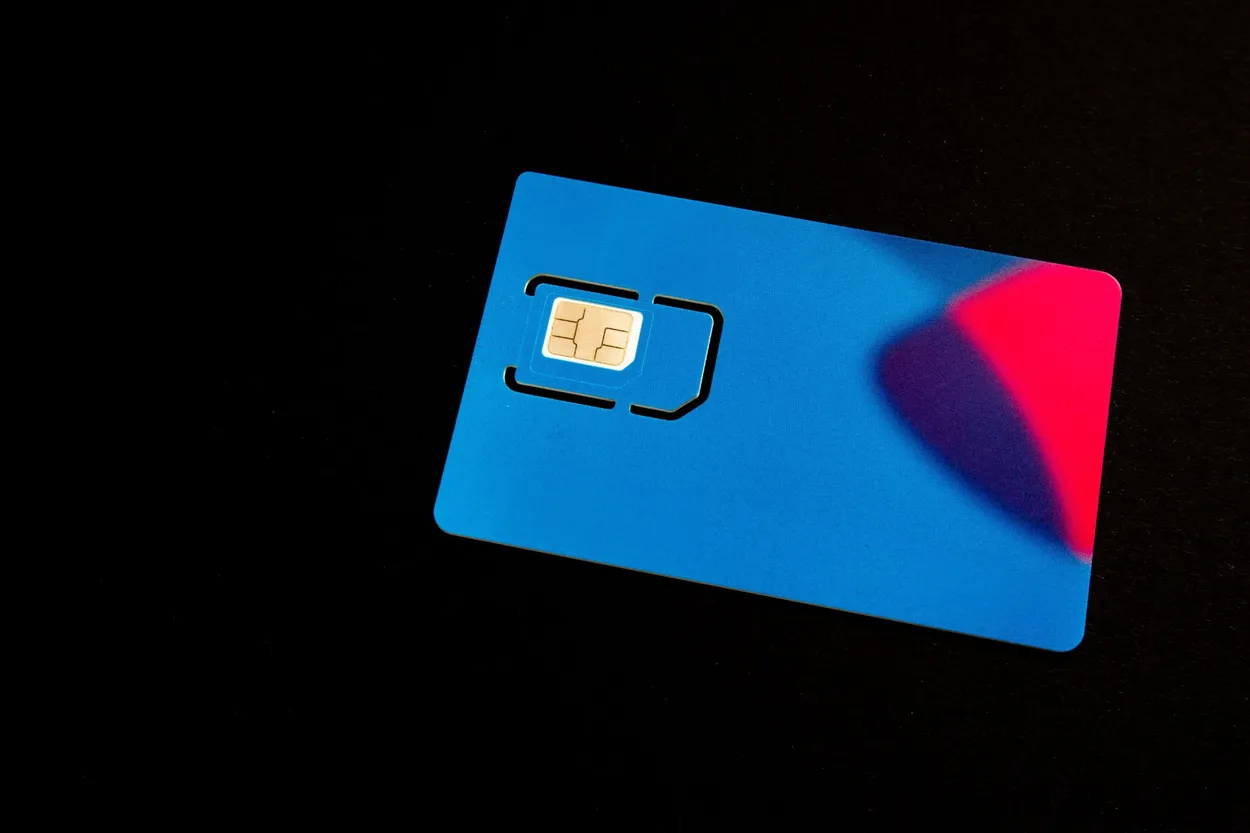

TL;DR: Managed by the Ministry of Industry and Information Technology (MIIT) (工业和信息化部), foreign nationals must undergo mandatory Real-Name Registration (实名制) with a physical valid passport or Five-Star Permanent Resident Card (五星卡) to obtain an official local (+86) phone number. Local physical SIM cards with +86 numbers can be obtained at official major telecom halls (营业厅) or major airport arrival kiosks, while travel eSIMs (data-only) route through overseas networks without local number features. Home broadband can be installed within 24 to 48 hours by providing proof of address and passport credentials.
To legally apply for a mobile phone and broadband service in China, foreign nationals must visit a designated major telecom branch or authorized airport kiosk in person with a valid passport. China strictly enforces a real-name registration system for all communication networks, meaning you cannot buy an anonymous, prepaid SIM card off the street.
Securing a local Chinese mobile number (+86) is the most critical first step for new arrivals. Without a registered local number, you will not be able to open a bank account, receive mandatory SMS verification codes for payment apps (WeChat Pay/Alipay), book train tickets (12306), or access daily digital services.

1. The 4 Major Chinese Telecom Operators
The Chinese telecommunications market is dominated by state-owned enterprises that offer nationwide coverage and similar pricing structures. You can choose any of these major providers to set up your mobile plan and home internet:
| Telecom Operator | Chinese Name | Network Profile & Service Advantages |
|---|---|---|
| China Mobile | 中国移动 (Zhōngguó Yídòng) | Largest national operator; offers the most extensive 5G/4G coverage in rural and remote regions. |
| China Unicom | 中国联通 (Zhōngguó Liántōng) | High compatibility with imported overseas smartphone bands; popular choice for international travelers and expats. |
| China Telecom | 中国电信 (Zhōngguó Diànxìn) | Industry leader in residential fiber-optic home broadband (宽带) stability and high-speed packages. |
| China Broadnet | 中国广电 (Zhōngguó Guǎngdiàn) | Broadcaster-backed operator offering competitive 5G mobile packages on shared 700MHz frequency bands. |
2. Required Identification for Real-Name Verification
Under MIIT regulations, all mobile accounts require verified physical identification. Small convenience stores or street kiosks lack passport-scanning hardware and cannot process foreign registrations.
- Valid Passport: Must contain a valid entry visa or residence permit stamp. Physical passport required (digital scans or copies are strictly rejected).
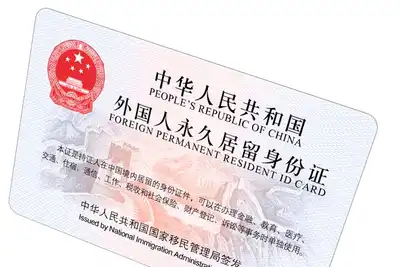
- Foreign Permanent Resident ID Card (五星卡): Holders of the Five-Star Card can scan their ID directly at automated self-service kiosks or service windows to register accounts independently.
- Biometric Verification: Standard operating procedures require facing a desktop camera at the counter to match your live face against your passport photo.
CAUTION
Always visit a major central business hall (主营业厅) in city commercial districts or official airport telecom counters (e.g., Shanghai Pudong PVG, Beijing Capital PEK, Guangzhou Baiyun CAN). Local sub-agencies often lack foreign passport optical scanners.
3. Physical SIM vs. International Travel eSIM
Depending on whether you need a long-term local identity or short-term travel data, evaluate these two connectivity routes:
Telecom Selection Framework:
Need +86 Number for Banking/SMS? ---> Obtain Physical Local SIM at Airport/Hall (Passport Scan)
Need Immediate Data & Global Apps? ---> Install International Travel eSIM Before Flight (Data Only)
| Features & Parameters | Physical Local SIM (+86) | International Travel eSIM |
|---|---|---|
| Local +86 Phone Number | Included (Mandatory for Chinese apps/banks) | Not Included (Data-only routing) |
| Identity Registration | On-site physical passport & biometric scan | Online setup; no passport scan required |
| Where to Purchase | Airport kiosks or flagship telecom halls | Online pre-departure (Nomad, Airalo, Jetpac) |
| Best For | Long-term expats, work, banking, local services | Short-term tourists, transit layovers, global social media |

4. How to Set Up Home Broadband Internet
For expats renting apartments, setting up high-speed fiber-optic home internet (宽带 kuāndài) is straightforward:
- Bundle with Mobile Plan: Telecom providers offer heavily discounted home broadband when added as a bundle (融合套餐) to your main mobile SIM subscription.
- Confirm Building Access: Check with your landlord before selecting a provider. Some residential complexes have exclusive fiber agreements with a single operator (e.g., China Telecom lines only).
- Technician Installation: Visit the telecom branch with your passport, lease agreement address, and mobile number. A field technician will be dispatched within 24–48 hours to run fiber connections and configure the Wi-Fi router.
INFO
If moving apartments within the same city, you do not need to cancel your broadband. Visit a telecom hall to request a Broadband Relocation Service (宽带移机), and a technician will re-install your line at your new address for a small handling fee.

5. Mandatory Account Cancellation Protocol
The most common mistake departing foreign residents make is leaving China without formally closing their telecom accounts.
DANGER
Mandatory Account Cancellation (注销 zhùxiāo): China’s real-name registration links your passport number directly to your mobile account. If you leave China without canceling your SIM, monthly package fees will continue to accrue. Unpaid balances result in system debt accumulation, flagging your passport in the central credit registry and preventing you from opening bank accounts, getting SIM cards, or securing visas upon returning to China.
Actionable Pre-Arrival Checklist
Complete these preparation steps to secure your connectivity in China:
- Check Phone Unlocking: Ensure your smartphone is factory unlocked by your domestic carrier to accept physical Chinese SIMs or travel eSIM profiles.
- Locate Airport Kiosks: Identify whether your arrival airport (PEK, PVG, CAN) has 24/7 telecom kiosks operating in the international arrivals hall.
- Save Chinese Address: Keep a physical or printed copy of your apartment lease or hotel booking in Chinese characters for registration desks.
- Schedule Departure Cancellation: If leaving China permanently, allocate time during your final week to visit an official telecom hall with your passport to finalize account cancellation (注销) and settle outstanding balances.
Frequently Asked Questions (FAQs)
Can a foreigner buy a physical SIM card at Chinese international airports?
Yes. Major international hubs like Shanghai Pudong (PVG), Beijing Capital (PEK), and Guangzhou Baiyun (CAN) feature official China Mobile, China Unicom, and China Telecom kiosks in the arrival halls that scan foreign passports and activate physical SIM cards immediately.
Why is a local +86 Chinese phone number necessary?
A local +86 phone number is legally required for real-name digital verification. You need it to receive SMS confirmation codes to open Chinese bank accounts, register for WeChat Pay and Alipay, use the 12306 high-speed railway app, and hail rides via DiDi.
Can foreign tourists use domestic Chinese carrier eSIMs?
Domestic Chinese carrier eSIMs are restricted to Chinese national ID holders. Foreign passport holders who want to use eSIM technology must purchase data-only international travel eSIMs (from providers like Nomad or Airalo) prior to entering mainland China.
Need Help Settling into Life in China? Contact Our Experts
Related Posts

EaziPath Editorial Staff
•Dec 21, 2024

EaziPath Editorial Staff
•Jan 25, 2025

EaziPath Editorial Staff
•Apr 10, 2024