Healthcare in China: How to Use Designated Expat Hospitals
Learn how to access English-speaking hospitals in China. Understand medical insurance rules, outpatient registration steps, emergency protocols, and healthcare categories.


TL;DR: Accessing medical care in China involves choosing between public hospitals (公立医院) and private international clinics (私立国际医院). Employed foreigners with valid Work Permits are entitled to Employee Basic Medical Insurance (职工基本医疗保险), which subsidizes treatment at designated public hospitals via a medical insurance card (医保卡). Long-term expats must complete a mandatory health check within 30 days of arrival to secure residence permits.
Healthcare in China for foreigners includes accessing public hospital facilities or designated private international clinics. These English-speaking hospitals in China offer world-class diagnostic services and streamlined medical treatment for expats, ensuring you receive proper care while utilizing your basic medical insurance.
This guide breaks down exactly how to navigate outpatient services, what to do in a medical emergency, and how to utilize China’s rapidly advancing digital healthcare systems.

1. Categories of Chinese Healthcare
Healthcare facilities in mainland China are classified into government-run public institutions and non-government private or joint-venture international medical centers:
| Facility Type | Chinese Term | Service Profile & Expat Considerations |
|---|---|---|
| Grade 3A Public Hospitals | 公立三甲医院 (Gōnglì Sānjiǎ Yīyuàn) | Top-tier municipal public medical centers. Highly authoritative and affordable; accepts national basic medical insurance (医保). Standard wards operate primarily in Chinese. |
| VIP / International Departments | 特需医疗部 (Tèxū Yīliáo Bù) | Specialized wings within Grade 3A public hospitals offering English-speaking doctors, private waiting areas, and direct billing for select international insurance plans. |
| Private International Hospitals | 私立国际医院 (Sīlì Guójì Yīyuàn) | Dedicated non-government medical facilities (e.g., United Family Healthcare, Raffles Medical) providing full English/multilingual services, western-standard amenities, and direct billing with global insurers. |
INFO
While Grade 3A public hospitals offer the highest level of specialized clinical expertise in China, standard public outpatient departments feature high patient volumes. Expats who do not speak fluent Mandarin are advised to utilize VIP International Departments (特需门诊) inside public hospitals or private international clinics.
2. Steps for Outpatient Medical Treatment
Visiting a hospital for non-emergency outpatient consultation (门诊 ménzhěn) follows a structured multi-step process. Outpatient registration and payment are completed via hospital service windows, self-service kiosks, or WeChat/Alipay Mini-Programs:
- Department Triage (分诊 fēnzhěn): Present your passport or Social Security Card (社保卡) at the reception desk so triage nurses can direct you to the correct specialty department.
- Appointment & Registration (挂号 guàhào): Book an appointment spot using the hospital’s official WeChat Mini-Program, automated kiosk, or registration counter.
- Waiting Area (候诊 hòuzhěn): Wait in the department lobby until your assigned registration number is called on digital display monitors.
- Physician Consultation (就诊 jiùzhěn): Meet with the attending doctor for clinical evaluation, symptom review, and diagnostic ordering.
- Fee Payment (缴费 jiǎofèi): Pay required diagnostic, lab, or prescription fees at payment counters, kiosks, or directly via mobile app before entering testing areas.
- Diagnostics & Pharmacy (检查与取药): Complete assigned lab/imaging tests, return to the physician for final results, and collect prescribed medications from the central pharmacy (药房).

3. Emergency Protocols (急诊 - Jízhěn)
If you experience an acute health crisis, Chinese hospitals operate 24/7 Emergency Departments (急诊科 jízhěnkē).
- National Emergency Hotline: Dial 120 to dispatch an ambulance. State your precise location, landmarks, and patient condition.
- Multilingual Translation Note: In major commercial hubs like Shanghai, the 110/120 emergency dispatch centers support foreign language lines. In secondary cities, operators may speak primarily Mandarin; maintain a local contact or hotel concierge to assist with translation if necessary.
- Emergency Triage: Upon arrival at the emergency room, high-acuity patients are immediately routed to the resuscitation room (抢救室 qiǎngjiùshì) under emergency treatment priority rules prior to financial settlement.
Emergency Workflow:
Dial 120 / Immediate ER Arrival ---> Triage Assessment ---> High-Acuity Resuscitation (Priority Care) ---> Post-Treatment Settlement
DANGER
Repatriation & Death Formalities: In the event of a foreign national’s death in mainland China, strict statutory protocols govern body transit. Coffin export requires three mandatory documents: a formal Medical Certificate of Death, a Certificate of Embalming issued by an authorized funeral parlor, and a Coffin Export Permit issued by local health and epidemic prevention departments.
INFO
Foreign Infant Birth Registration: Children born to foreign parents in Chinese hospitals receive an official Medical Birth Certificate (出生医学证明). Parents must register the birth and apply for passport/visa documentation at the local Exit-Entry Administration within 60 days of birth.

4. Employee Basic Medical Insurance Rules
Foreign nationals lawfully employed in mainland China are required by law to participate in the Social Insurance system (社会保险), which includes Employee Basic Medical Insurance (职工基本医疗保险).
- Registration Obligation: Employers must register foreign hires with the local social insurance bureau within 30 days of obtaining a Foreigner’s Work Permit (外籍人员工作许可证).
- Payment Settlement: Presenting your physical or digital Medical Insurance Card (医保卡 / 医保电子凭证) at designated public hospitals automatically allocates covered expenses to the municipal pooling fund (统筹账户), deducting remaining personal copays from your personal account balance (个人账户).
Eligibility applies to foreign holders of the following valid credentials:
- Foreigner’s Work Permit (Class A, B, or C)
- Resident Foreign Correspondent Press Card
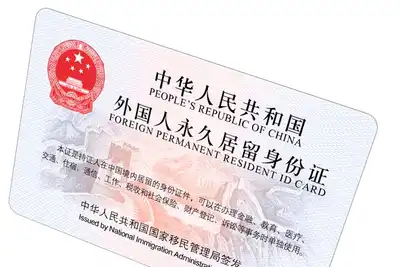
- Foreign Permanent Resident ID Card (The Five-Star Card / 五星卡)
5. The Mandatory 30-Day Expat Health Check Rule
Foreign nationals applying for a long-term Work-Type Residence Permit (工作类居留许可) extending past 12 months must undergo an official physical examination at a designated International Travel Healthcare Center (国际旅行卫生保健中心) within 30 days of arrival.
The medical evaluation includes chest X-rays, ECG, abdominal ultrasound, blood screening (HIV, Hepatitis B, Syphilis), and general physical checks. Failing to complete or pass the health verification results in the rejection of your residence permit application by the Exit-Entry Administration of the Public Security Bureau (PSB).

6. Digital & AI Healthcare Innovations
China’s healthcare infrastructure integrates digital platforms and artificial intelligence to streamline hospital workflows:
- Smart Triage Systems: Tier-1 facilities employ AI-driven triage and symptom check systems within WeChat hospital portals, guiding patients to appropriate sub-specialties and reducing mis-triage rates.
- Regional Digital Doctor Assistants: Metropolitan health systems utilize integrated AI diagnostic tools for early detection of cardiac conditions, lung nodules, and oncology imaging, accelerating diagnostic timelines for outpatient visits.

Actionable Patient Checklist
Complete these core preparation steps when navigating Chinese healthcare:
- Carry Physical ID: Always bring your original Passport or Five-Star Card to every hospital visit for real-name system registration (实名制就医).
- Download Digital Insurance Badges: Link your Basic Medical Insurance card (国家医保局) to Alipay or WeChat for quick QR code payment scanning.
- Save Emergency Contacts: Store local hospital emergency desk phone numbers alongside the 120 national ambulance hotline.
- Collect Official Invoices: Ensure the hospital billing window issues an official Medical Invoice (医疗收费电子票据 / fāpiào) and itemized cost breakdown for private insurance reimbursement claims.
Frequently Asked Questions (FAQs)
What is the national emergency ambulance number in China?
The national medical emergency hotline is 120. Operators connect you directly to local emergency dispatch centers.
Can I book a doctor’s appointment online using WeChat or Alipay?
Yes. Most public Grade 3A hospitals and private clinics operate WeChat Mini-Programs (微信小程序) or Alipay channels where you can select specific departments, view doctor profiles, select time slots, and pay registration fees online.
Are basic medical insurance payments accepted at private international hospitals?
Generally, no. Basic Medical Insurance (国家医保) applies primarily to designated public hospitals and approved community health centers. Private international hospitals rely on direct billing with global commercial health insurance providers or out-of-pocket self-payment.
Need Help Navigating Healthcare in China? Contact Our Experts
Related Posts

EaziPath Editorial Staff
•Dec 21, 2024

EaziPath Editorial Staff
•Jan 25, 2025

EaziPath Editorial Staff
•Apr 10, 2024