What the Hainan Free Trade Port Sealing Means for Foreign Business
Discover what the Hainan Free Trade Port customs sealing means for foreign businesses, including independent customs operations, 30% processing value-added exemptions, and tax incentives.
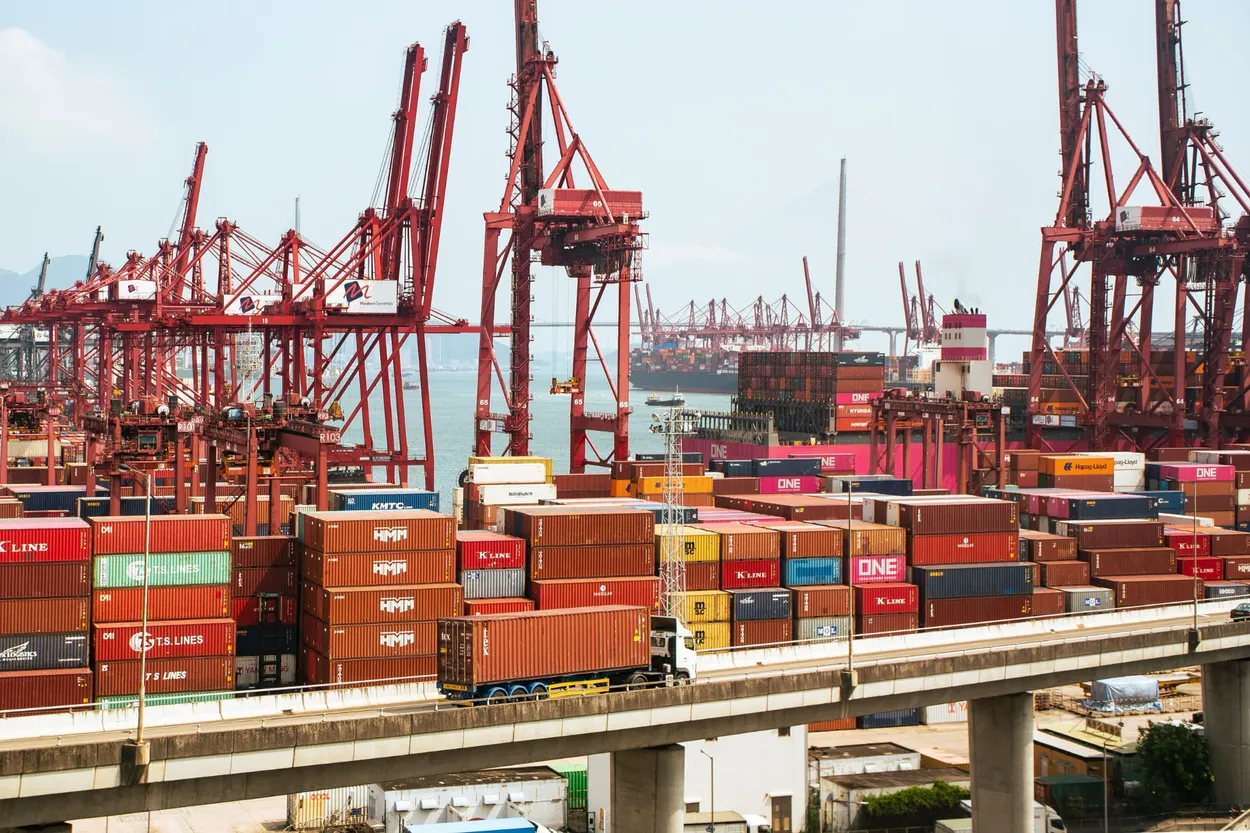

TL;DR: Following its full implementation, the Hainan Free Trade Port (FTP) (海南自由贸易港) operates under a special customs supervision model defined as “Freer Access at the First Line, Regulated Access at the Second Line” (一线放开、二线管住). Foreign businesses benefit from zero-tariff lines expanding to ~74% of total import items, a 15% Corporate Income Tax (CIT) rate for encouraged industries, a 15% Personal Income Tax (PIT) cap for qualified foreign talents, and a 30% Processing Value-Added Tariff Exemption (加工增值30%免关税) for domestic sales to mainland China.
The customs sealing of the Hainan Free Trade Port (海南自由贸易港 - Hǎinán Zìyóu Màoyì Gǎng) means the entire island operates under independent customs supervision, officially separating its customs territory parameters from mainland China. This massive economic transformation offers foreign businesses unprecedented tariff exemptions and unique commercial frameworks, turning the southern province into a premier global trade hub.

1. What Does “Sealing” the Island Mean?
The term “customs sealing” (封关 fēngguān) refers to the operational transition where Hainan Island operates as a special customs supervision zone. This creates a unique two-tier regulatory border control system for the movement of physical goods:
- The First Line (一线 - International Border): The boundary between Hainan and overseas locations. Goods moving across this border into Hainan experience maximum trade liberalization, with the vast majority of raw materials, production equipment, and consumer goods entering duty-free (exempt from import tariffs, import VAT, and consumption tax).
- The Second Line (二线 - Mainland Border): The border between Hainan and the Chinese mainland. Goods moving from Hainan into mainland China are subject to standard Chinese customs declarations and mainland tariff assessments unless they qualify for processing value-added exemptions.
INFO
Customs sealing applies specifically to the supervision and taxation of physical goods and commercial cargo. Domestic passenger travel and the movement of personnel between Hainan and mainland China remain smooth and unhindered.

2. Key Tariff Exemptions and Commercial Benefits
Independent customs operations lower manufacturing and operating costs for international enterprises establishing operations in Hainan.
| Incentive Category | Legal Provision / Standard | Business Impact & Operational Advantage |
|---|---|---|
| Expanded Zero-Tariff Scope | Negative-List Catalogue Management | Covers ~74% of tariff lines (expanded to ~6,600 commodity lines), exempting production equipment, machinery, and raw materials from import duties. |
| 30% Value-Added Exemption | 加工增值30%免关税 | Goods manufactured in Hainan using imported duty-free materials are exempt from import tariffs when sold across the “Second Line” into mainland China if 30%+ processing value is added on-island. |
| Corporate Tax Cap | 15% Corporate Income Tax (CIT) | Reduced CIT rate for qualified enterprises operating in “encouraged industries” (鼓励类产业), compared to the 25% standard rate in mainland China. |
| Expat Tax Incentive | 15% Personal Income Tax (PIT) | High-end and urgently needed foreign talent (外籍人才) enjoy an effective PIT rate capped at 15% on taxable income earned in Hainan. |
Mainland Supply Chain Advantage:
Duty-Free Materials Imported via “First Line” ---> 30%+ Value Added in Hainan Factory ---> Duty-Free Import into Mainland via “Second Line”

3. Synergies with Open Visa-Free Travel
The commercial incentives of the Hainan FTP are complemented by streamlined immigration entry rules. Foreign executives, investors, and client delegates can visit Hainan without prior visa applications for commercial negotiations, exhibitions, and corporate site inspections.
Passport holders from 59 eligible countries can enter Hainan directly from international destinations or Hong Kong/Macao for up to 30 days visa-free.
DANGER
The 30-day Hainan visa-free entry permit restricts legal movement strictly to Hainan Province. If business activities require traveling across the “Second Line” into mainland cities (such as Shanghai, Guangzhou, or Beijing), foreign business travelers must apply for a standard Chinese business visa (M Visa) at the local Public Security Exit-Entry Administration before departing Hainan.

Actionable Corporate Setup Checklist
Foreign businesses looking to leverage the Hainan Free Trade Port framework should complete these foundational steps:
- Verify Encouraged Industry Status: Confirm your business scope aligns with the Catalog of Encouraged Industries in Hainan FTP to secure the 15% CIT rate.
- Calculate Processing Value-Added Rates: If manufacturing for the domestic mainland market, structure supply chains to meet the 30% value-added calculation formula
[(Domestic Sales Price - Σ Imported Material Cost) / Domestic Sales Price]. - Register Local Corporate Substance: Establish physical office space, local operations, and personnel in Hainan to satisfy “substantive operational” tax compliance tests.
- File High-End Talent Classifications: Register eligible foreign executives with local human resources departments to secure the 15% personal income tax cap.
Frequently Asked Questions (FAQs)
What does independent customs operation mean for foreign companies operating in Hainan?
It means Hainan functions as a separate customs supervision territory. Goods entering from abroad across the “First Line” enjoy widespread zero-tariff status. Products processed on the island that achieve 30%+ added value can enter the broader mainland Chinese market without paying import duties across the “Second Line”.
Will the customs sealing impact personal travel into or out of Hainan?
No. The “First Line / Second Line” framework applies to customs supervision over physical commodities and freight. Passenger travel between Hainan and mainland China operates through standard domestic transportation channels.
How does a company qualify for the 15% Corporate Income Tax rate in Hainan?
To qualify for the reduced 15% CIT rate, an enterprise must be registered in the Hainan Free Trade Port, engage in an industry listed under the official Catalog of Encouraged Industries, and demonstrate substantive business operations (physical office, local employees, and real management control) within the province.
Need Help Starting a Business in China? Contact Our Experts
Related Posts

EaziPath Editorial Staff
•Sep 12, 2024

EaziPath Editorial Staff
•Jan 15, 2025