Getting Married in China: Registration Rules for Foreigners
A complete guide to getting married in China as a foreigner. Learn international marriage laws, required single status certificates, Hague Apostille rules, and divorce procedures.


TL;DR: To register an international marriage in mainland China, foreign nationals must submit a valid passport, an officially authenticated Certificate of Single Status / Certificate of Marriageability (单身证明 dānshēn zhèngmíng), and certified Chinese translations to the foreign-related marriage registry at the local Civil Affairs Bureau (民政局涉外婚姻登记处). Following China’s accession to the Hague Apostille Convention, single status affidavits issued in member countries now require a Hague Apostille stamp rather than traditional Chinese Embassy consular legalization.
To legally register a marriage in China as a foreigner, you must submit your valid passport, a formal Certificate of Marriageability (proof of single status), and official translated documents to the local Civil Affairs Bureau (民政局 - Mínzhèngjú). Both partners must apply in person within the jurisdiction of the Chinese citizen’s household register (户口本) to obtain their official marriage certificates.
1. Applicable Laws on International Marriage
International marriages in China are strictly governed by the Civil Code of the People’s Republic of China (中华人民共和国民法典). If you are a foreign national marrying a Chinese citizen within mainland China, your marriage must comply entirely with Chinese domestic regulations.
- Legal Age Requirements: The statutory minimum age for marriage in China is 22 years old for men and 20 years old for women.
- Voluntary Consent: Marriage must be completely voluntary for both parties; third-party coercion or arrangement is legally prohibited.
- Monogamy (一夫一妻制): Both parties must be legally unmarried, divorced, or widowed at the time of registration.
- Prohibited Degrees of Kinship: The couple must not be lineal blood relatives or collateral blood relatives within three generations (三代以内的旁系血亲).
DANGER
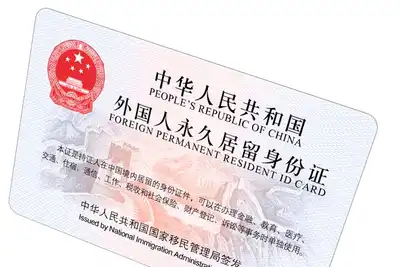
Entering into a fraudulent or nominal marriage strictly to obtain a Chinese visa or Permanent Resident ID Card is a legal violation. If discovered by the National Immigration Administration (NIA), it will result in immediate residence permit revocation, deportation, and a entry ban.
2. Required Documents for Marriage Registration
To successfully complete marriage registration (结婚登记 jiéhūn dēngjì), both applicants must present specific legal documents proving identity and single status:
| Applicant Category | Required Legal Documentation | Verification Requirements |
|---|---|---|
| Foreign National | 1. Valid Passport: Original passport and current valid Chinese visa or residence permit. 2. Certificate of Single Status (单身证明): Proof of unmarried status issued by home country authorities. 3. Hague Apostille / Legalization: An Apostille stamp (for Hague member states) or Embassy Legalization (for non-members). 4. Certified Translations: Stamped Chinese translations of all foreign documents. 5. Joint Photos: 3 recent 2-inch joint color photos with red background. | Must be authenticated within 6 months prior to registration. |
| Chinese Citizen | 1. Resident ID Card (居民身份证): Original ID card. 2. Household Register (户口簿): Original Hukou booklet showing “Unmarried” (未婚) or “Divorced” (离婚) status. | Hukou records must match current marital status. |
INFO
Hague Apostille Convention Note: Since China joined the Hague Apostille Convention, public documents (including Single Status Affidavits) originating from member nations (such as the US, UK, Canada, Australia, and EU states) only require a Hague Apostille stamp from the issuing country’s competent authority—eliminating the need for Chinese Embassy consular legalization.

3. Step-by-Step Marriage Registration Guide
Follow these procedural steps to complete marriage registration in mainland China:
- Obtain Single Status Affidavit: Draft and notarize a Single Status Affidavit / Certificate of No Impediment to Marriage (无配偶证明) in your home country or through your country’s embassy/consulate in China (where permitted).
- Apostille & Translate: Secure a Hague Apostille stamp from your home state/country’s issuing authority. Have the document translated into simplified Chinese by an accredited translation agency in China (翻译公司).
- Visit Foreign-Related Registry: Book an appointment at the Foreign-Related Marriage Registration Office (民政局涉外婚姻登记处) where the Chinese citizen’s Hukou is registered.
- Complete On-Site Declaration: Submit paperwork, complete the official declaration of marriage capacity (申请结婚登记声明书), and sign before the registrar.
- Collect Marriage Booklets: Upon verification, the registry issues two red official Marriage Certificates (结婚证 jiéhūnzhèng)—one for each spouse.
Documentation Workflow:
Home Country Notarization ---> Hague Apostille Certification ---> Certified Chinese Translation ---> Civil Affairs Bureau Registration
4. Divorce Registration Procedures
For cross-border couples seeking to dissolve a marriage registered in China, two legal pathways exist:
- Mutual Agreement (协议离婚): If both parties mutually agree on property division and child custody, they can apply directly at the Civil Affairs Bureau where the marriage was originally registered.
- Mandatory Cooling-Off Period (30天离婚冷静期): Under Civil Code rules, a mandatory 30-day cooling-off period applies after initial application. Both parties must return in person on or after day 31 to claim their official Divorce Certificates (离婚证).
- Judicial Divorce (诉讼离婚): If there are disputes regarding property, spousal support, or custody, the divorce must be litigated through a local Chinese People’s Court (人民法院).

Actionable Pre-Registration Checklist
Ensure your documents are fully prepared before visiting the Civil Affairs Bureau:
- Check Document Validity: Verify that your Single Status Certificate was issued within the last 6 months.
- Confirm Hukou Status: Ensure your Chinese partner’s Hukou booklet accurately reflects their current marital status (e.g., “Divorced” if previously married).
- Use Certified Translators: Obtain Chinese translation seals (翻译专用章) from a registered translation agency in China.
- Book Appointments Early: Schedule appointments through provincial Civil Affairs online portals or WeChat mini-programs (民政婚姻登记预约).
Frequently Asked Questions (FAQs)
Can two foreign nationals register a marriage in China?
Generally, no. The Civil Affairs Bureau in mainland China only registers marriages where at least one party is a Chinese citizen or registered permanent resident. Two foreign nationals must typically register their marriage at their respective country’s embassy or consulate in China (if diplomatic services offer consular marriage registration) or in their home jurisdictions.
Do I need an Apostille or Embassy Legalization for my single status document?
If your document originates from a country that is a member of the Hague Apostille Convention (such as the US, UK, France, Germany, or South Korea), you only need a Hague Apostille stamp. Consular legalization at a Chinese embassy is only required if your document originates from a non-member country.
Does marrying a Chinese citizen automatically grant a Permanent Resident Card (Green Card)?
No. Marrying a Chinese citizen allows you to apply for a Family Reunion Visa (Q1/Q2) or a spouse-based Personal Matters Residence Permit. To qualify for a Foreign Permanent Resident ID Card (五星卡 / Five-Star Card) through marriage, you must remain married for 5 consecutive years, reside in China for at least 5 consecutive years (spending no less than 9 months per year in China), and demonstrate stable financial support and housing.
Need Help Navigating Your Life in China? Contact Our Experts
Related Posts


EaziPath Editorial Staff
•Jan 25, 2025

EaziPath Editorial Staff
•Aug 1, 2024