Buying a Car in China: Costs, Taxes, and License Plates
Learn how to buy a car in China. Understand license plate quotas, vehicle purchase taxes, electric vehicle benefits, and dealership negotiation tips.
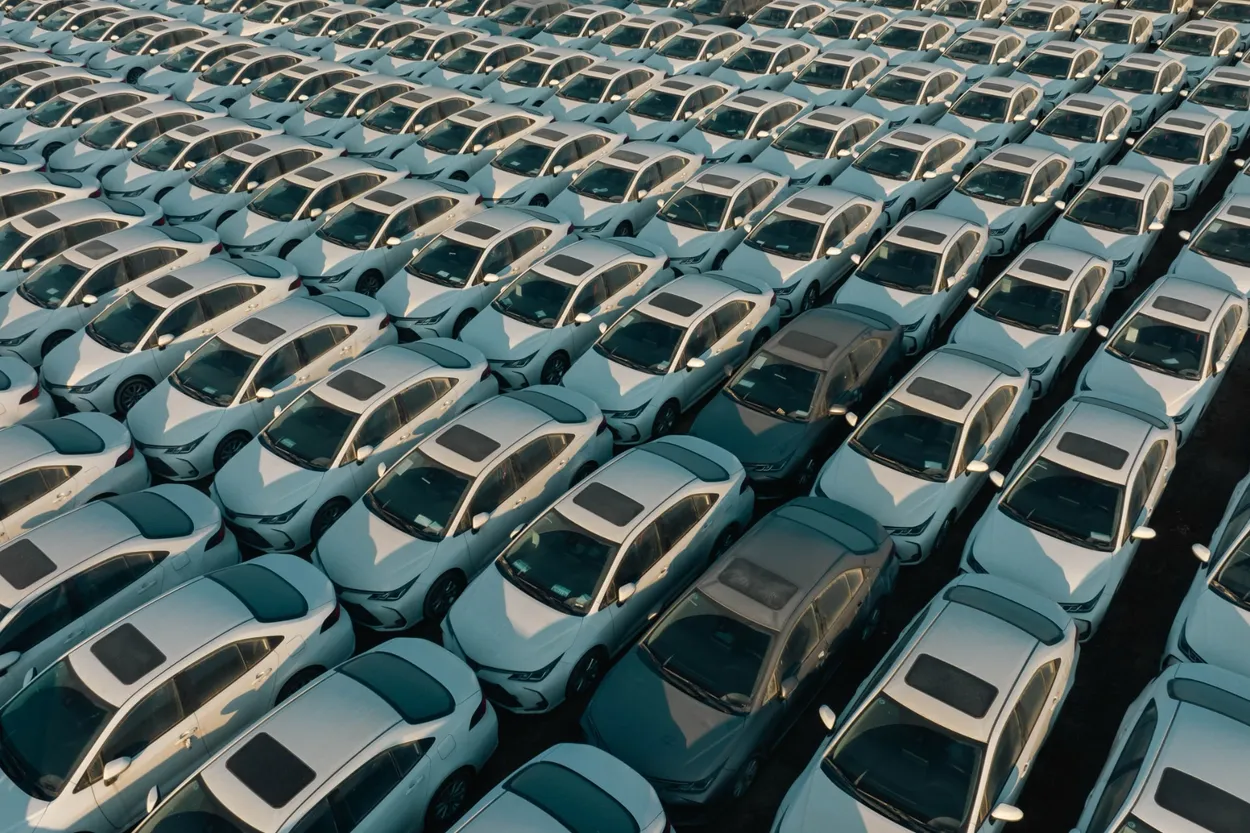

TL;DR: Purchasing a car in China requires navigating municipal license plate quota lotteries (摇号), understanding the standard 10% vehicle purchase tax (车辆购置税) governed by the State Taxation Administration, and factoring in on-the-road costs (落地价). Foreign residents can complete vehicle registration using a valid passport or Permanent Resident ID Card (五星卡).
Buying a vehicle in China requires navigating local city rules, complex taxes, and dealership negotiations. Whether you want a traditional gasoline car or a modern electric vehicle, understanding the license plate quota system and the true on-the-road costs will help you legally and smoothly get behind the wheel.

1. License Plate Quotas and Vehicle Registration
In major tier-1 cities like Beijing, Shanghai, and Guangzhou, you must secure a passenger car license plate quota (指标 zhǐbiāo) before purchasing a vehicle. Municipal authorities restrict license plate issuance through public lotteries (摇号 yáohào) or auctions (竞拍 jìngpāi) to mitigate urban congestion.
To officially register a new car or transfer ownership of a second-hand vehicle, you must submit the following identity verification documents to the local Vehicle Management Station (车管所 Chēguǎnsuǒ):
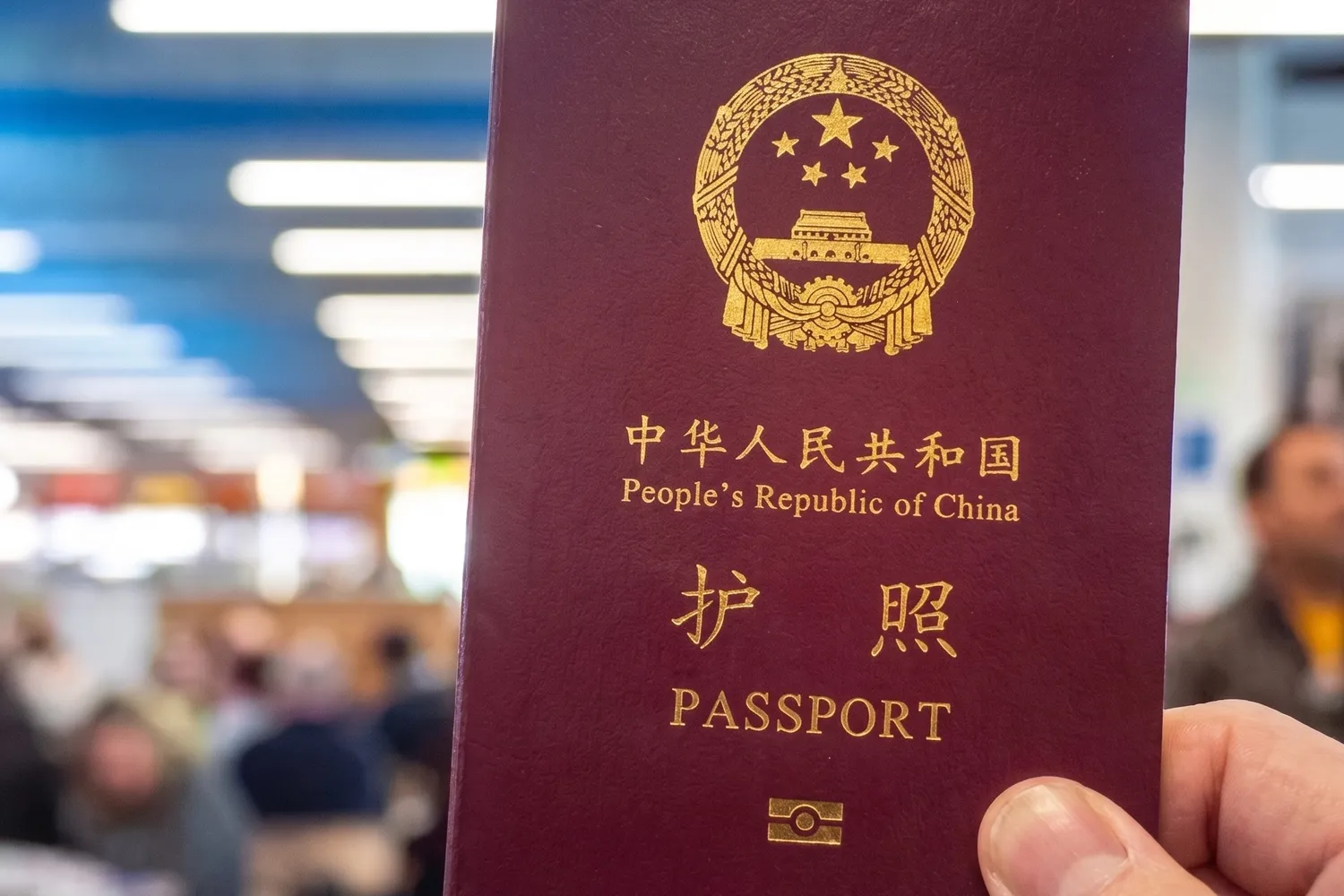
- Valid Passport: Your original passport containing a valid Chinese visa or residence permit (居留许可).
- Foreign Permanent Resident ID Card: You can use your official permanent resident card (五星卡 “Five-Star Card”) to register directly.
- Local Residency Proof: Local temporary residence registration (境外人员临时住宿登记表) or administrative documents required by local traffic authorities.
DANGER
Do not purchase a vehicle without first confirming the license plate quota rules in your specific city. Failing to secure a quota beforehand means you will not be able to legally register or drive the car on public roads.
2. Understanding Car Costs and Taxes
The true financial cost of acquiring a car in China is bundled into the “On-the-Road Price” (落地价 luòdìjià). Under the Vehicle Purchase Tax Law of the People’s Republic of China, standard vehicle purchases are subject to a statutory national tax rate of 10%:
| Chinese Term | Pinyin | Chinese Characters | What It Means |
|---|---|---|---|
| On-the-Road Price | luòdìjià | 落地价 | The total, final price you pay to legally drive the car off the lot, bundling vehicle MSRP, tax, insurance, and fees. |
| Vehicle Purchase Tax | chēliàng gòuzhìshuì | 车辆购置税 | A mandatory standard 10% national tax applied to the purchase price (excluding VAT) of motor vehicles. |
| Service Fee | fúwùfèi | 服务费 | Administrative charges levied by dealerships for handling license registration, document processing, or loan financing. |

3. Choosing Between EVs and Gasoline Cars
China encourages the adoption of New Energy Vehicles (NEVs, 新能源汽车 xīnnéngyuán qìchē), including battery electrics and plug-in hybrids, over traditional gasoline cars (油车 yóuchē). Under joint guidelines issued by the Ministry of Finance and the State Taxation Administration, qualifying NEVs benefit from preferential purchase tax policy caps alongside special green license plate incentives (绿牌):
- Smart Features: Modern Chinese EVs feature integrated AI assistants, autonomous parking systems, and smart cockpit operating systems.
- Driving Range (续航): Evaluate vehicle battery range based on your daily commute and long-distance travel needs.
- Charging Infrastructure (充电桩): Verify accessibility to public charging stations (公用充电桩) and residential charging installation permissions in your neighborhood.
INFO
Traditional gasoline vehicles (油车) remain widely available, but they face significantly stricter license plate lottery odds in major cities compared to green-plated New Energy Vehicles.
4. How to Negotiate with Car Dealers
When negotiating with car dealerships (4S店 Sì-Èr-Sī Diàn), request tangible high-value service bundles and accessories rather than minor promotional items:
- Fuel/Charging Cards: Prepaid gas cards (加油卡) or public charging credits.
- Maintenance Packages: Complimentary periodic maintenance sessions (免费保养).
- Window Tinting: High-grade heat-insulating solar film (防爆膜).
- Essential Hardware: Integrated dashcams (行车记录仪), custom floor mats, chassis protection, and safety equipment.
Frequently Asked Questions (FAQs)
What documents do I need to register a car in China?
You must present your valid passport with a valid visa/residence permit (or Foreign Permanent Resident ID Card), official proof of local address registration, the vehicle invoice (机动车销售统一发票), tax payment proof, and local license plate quota approval documentation.
Are there tax incentives for buying electric vehicles in China?
Yes. National policies provide purchase tax exemptions and concessions for qualified New Energy Vehicles (NEVs), alongside streamlined green license plate (绿牌) issuance in restricted cities.
Can I buy a second-hand car in China?
Yes, used vehicles (二手车) can be purchased through certified dealerships or trading platforms. Ownership transfer (过户) must be processed officially at the local vehicle administrative office.
Need Help Relocating and Living in China? Contact Our Experts
Related Posts

EaziPath Editorial Staff
•May 20, 2024
EaziPath Editorial Staff
•Jun 2, 2024

EaziPath Editorial Staff
•Oct 18, 2024